
On-Site Deployment in Japan for a US AI Robot
On-site deployment for a US robotics AI company, keeping robots running reliably on real construction sites.
Challenge
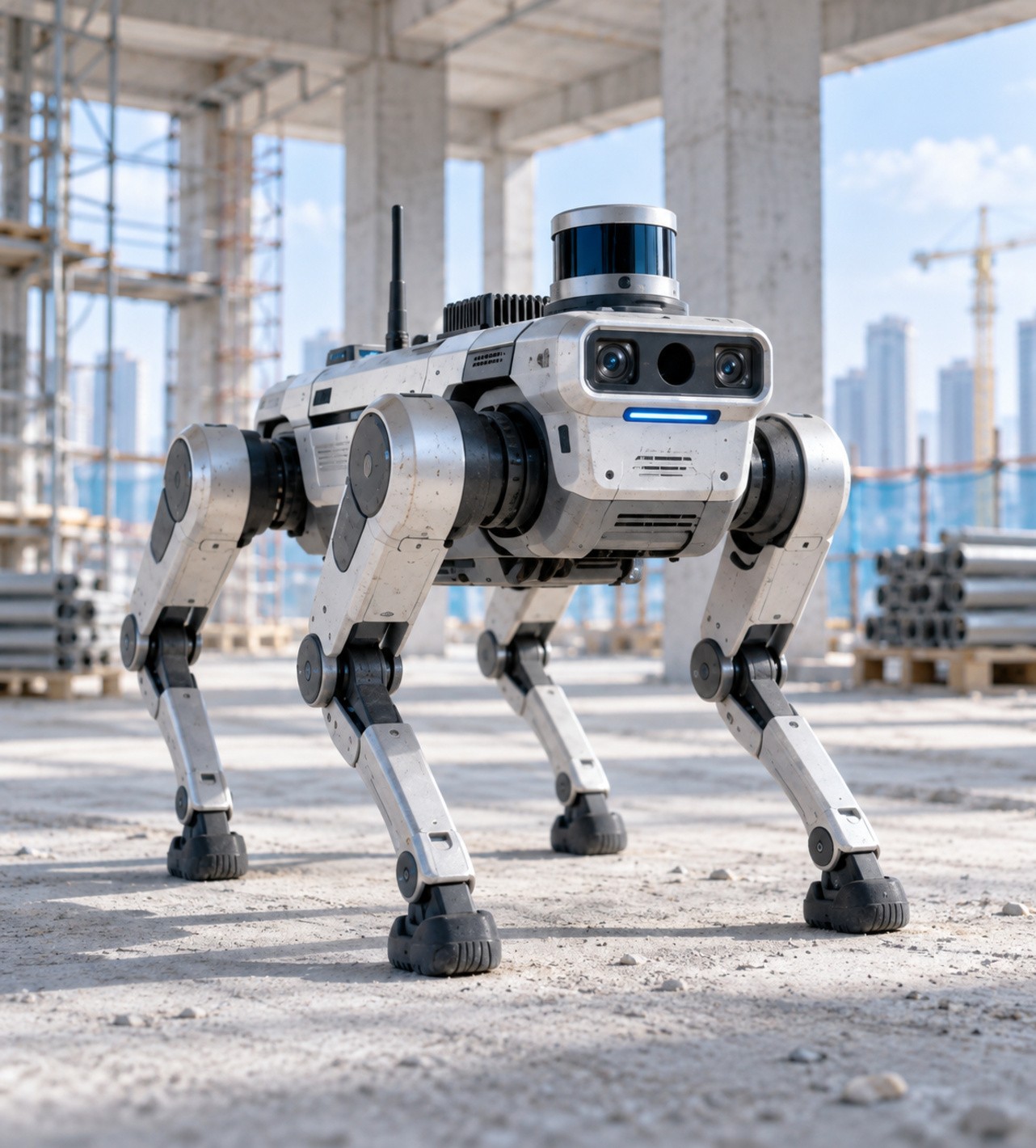
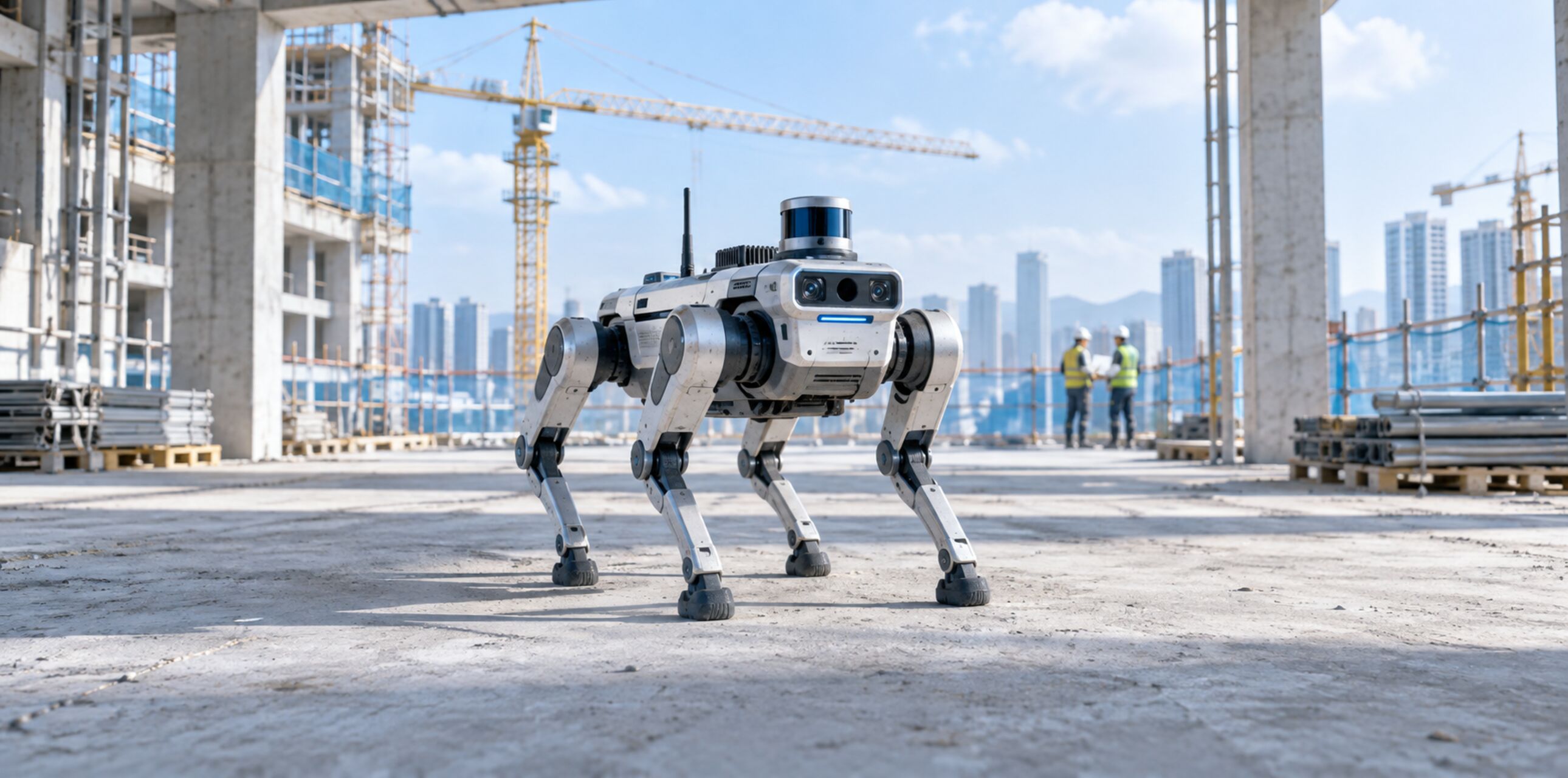
A US robotics AI company, focused on AI systems for autonomous robots in complex environments, was serving one of the largest construction companies in Japan. The project required autonomous robots to run reliably in the dynamic, unstructured environment of a real construction site, and required problems found on site to flow back quickly into model iteration. This is the hardest step in moving AI from the lab to industrial sites, and it was key to keeping the client's on-site validation project on schedule.
Solution
Scope of work: Deployment of the robot AI system on site in Tokyo, the training data loop, iterative upgrades, and technical liaison between Japan and the US.
Centered on the Tokyo site, the project took part in developing, training, and testing the robot AI system, covering three lines of work:
- On-site deployment and iteration: Responsible for deploying and upgrading the AI model on a Tokyo construction site, with more than 10 rounds of on-site iteration completed. Each round adjusted the model and parameters based on how the previous round performed on site, until the robot performed reliably in the site environment.
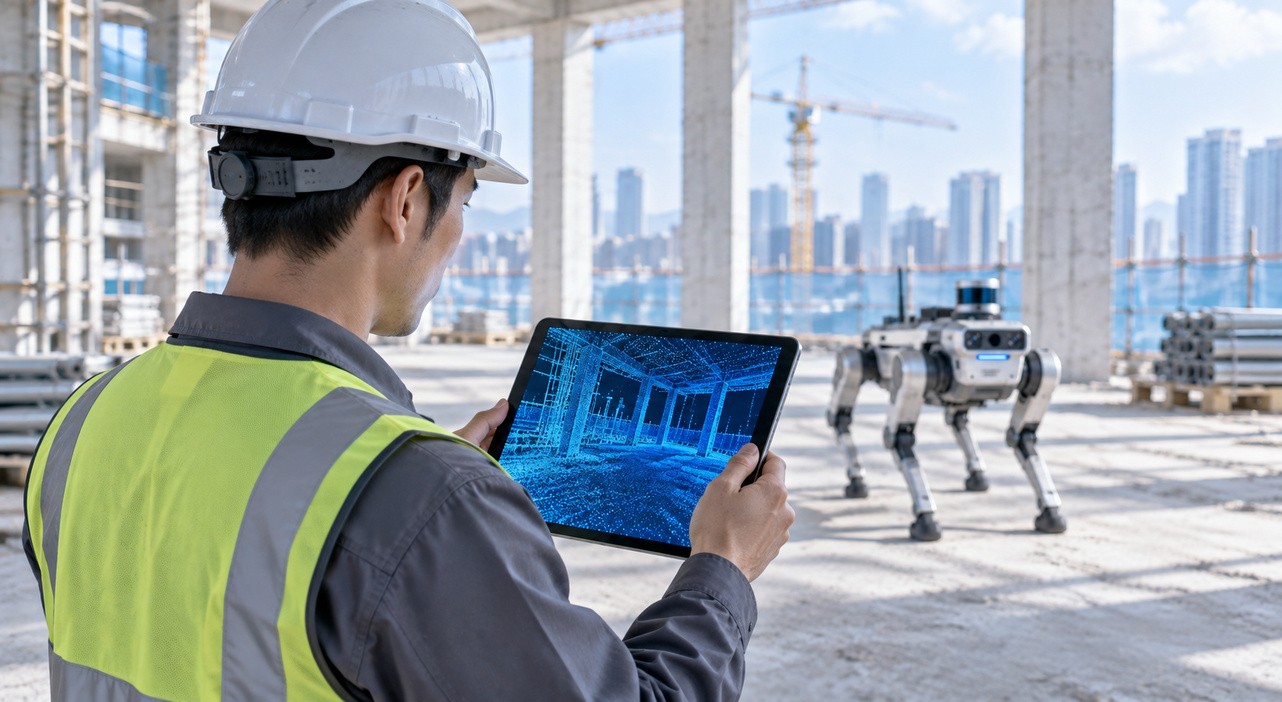
- Closing the loop on data and issues: On-site data collection and processing, troubleshooting, and issue tracking. Every anomaly on site was turned into a reproducible issue ticket and followed through to a verified fix.
- A bridge between client and headquarters: Went onto construction sites to gather client requirements and on-site issues, worked regularly with the US headquarters on improvements, and held more than 50 technical liaison meetings. The Japanese client's business language was translated into technical plans the R&D team could act on, and the headquarters' plans were brought back to the site for validation.
Results
- Running reliably: After more than 10 rounds of on-site AI model iteration, the robot runs reliably on the Tokyo construction site, keeping the client's on-site validation project on schedule.
- A closed loop from requirements to solutions: More than 50 cross-border technical meetings turned client requirements into actionable technical plans, and on-site issues followed a complete "detect → investigate → iterate → verify" loop.
- Field experience with hardware and software together: What the project built up was not just a model but a method for keeping AI running long term in the real physical world: data feedback, on-site debugging, and cross-border coordination. This experience carries directly over to AI deployment in manufacturing and construction.
See other case studies
Eight platform-wide sales events in over two years with zero major incidents, load tested at up to 8 times normal traffic.
Video data and transaction data connected across about 500 stores, cutting the investigation of a suspicious transaction from a week to a day.